

Get Relief from Painful Foot Corns in Concord, CA
Dr. John W. Scivally, DPM, and Dr. Robin K. Lie, DPM, help patients from Concord, CA, find relief from painful or recurring foot corns. Treatment is tailored to reduce thickened skin, improve walking comfort, and address pressure that may contribute to recurrence. For more information, contact us or schedule an appointment online. We are conveniently located at 2227 Olympic Blvd, Walnut Creek, CA 94595.
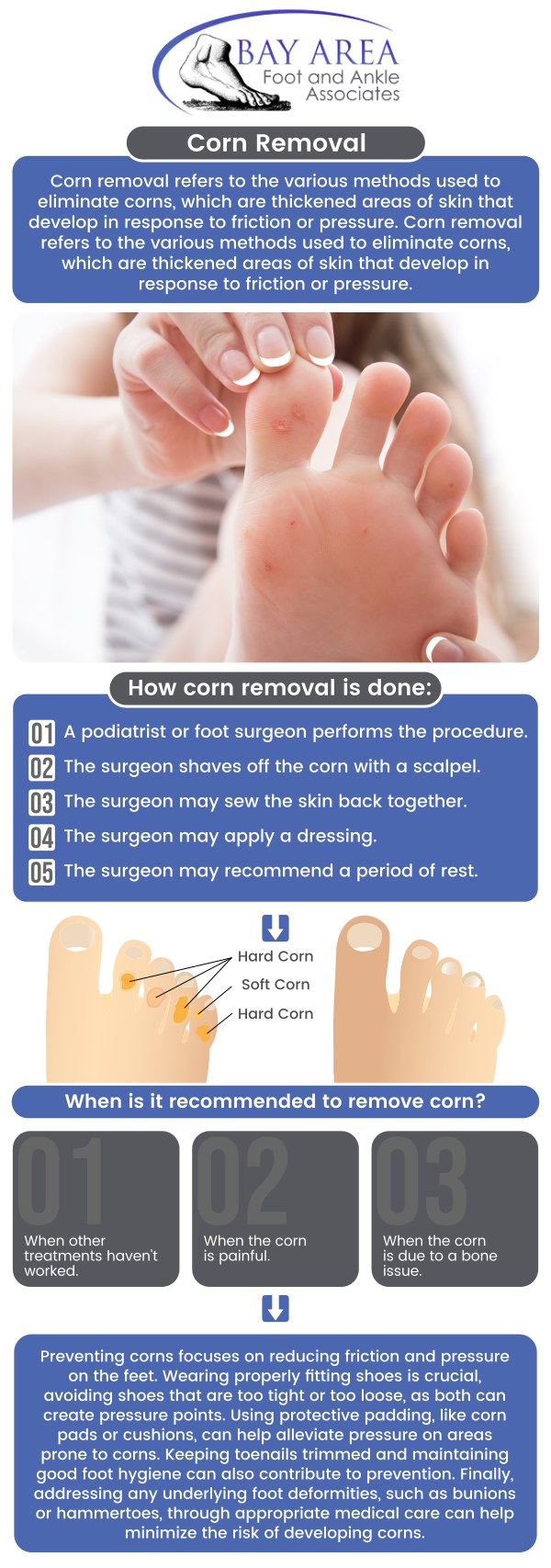

Table of Contents:
How can I tell if the hard, painful lump on my foot is a corn or a plantar wart?
What are the most effective professional treatment options for severe foot corns available to Concord residents?
Why do my foot corns keep returning even after using over-the-counter salicylic acid pads?
Can wearing excessively tight or narrow shoes cause deep-seated seed corns to form on the bottom of the foot?
When is a painful foot corn considered an urgent medical issue for patients with poor circulation or peripheral vascular disease?
How does a podiatrist safely shave down a hard corn without causing bleeding or an infection?
How Do Dr. John W. Scivally and Dr. Robin K. Lie Help Relieve Painful Foot Corns Near Concord, CA?
At Bay Area Foot and Ankle Associates, we often see patients concerned about hard, painful lumps on their feet. Two of the most common causes are corns and plantar warts, which can look and feel quite similar. Knowing the difference is key to receiving the right treatment.
Corns: Corns usually develop in areas of your foot that undergo repeated pressure or friction—like the tops or sides of your toes or the sole over a bony area. Corns are typically round, with a hard center and inflamed skin around them. You might notice that they hurt more with direct pressure, and their surface can be dry, thickened, and yellowish.
Plantar Warts: Plantar warts are caused by the human papillomavirus (HPV) and often appear on the sole (plantar surface) of your foot. Unlike corns, warts tend to have a rough, grainy surface, and may be surrounded by a thick layer of callused skin. One tell-tale sign of a plantar wart is the presence of tiny black dots within the lesion (these are small, clotted blood vessels). Warts are often more painful when squeezed from the sides rather than when pressed directly.
Another difference: plantar warts may disrupt the natural lines and ridges of your skin, while corns usually do not. Warts can also appear in clusters, whereas corns generally show up individually.
When to See a Specialist If you’re unsure whether you have a corn or a wart—or if the lump becomes increasingly painful, changes in appearance, or does not improve with home care—it’s best to consult with a foot and ankle specialist. At Bay Area Foot and Ankle Associates, our board-certified podiatrists can provide an accurate diagnosis and recommend the most effective treatment to get you back on your feet comfortably.
Residents of Concord and the surrounding Bay Area who are struggling with severe foot corns can find effective, professional care at Bay Area Foot and Ankle Associates. Our experienced podiatrists begin with a thorough assessment to determine the underlying causes of corns, such as structural foot abnormalities or improper footwear.
One of our primary in-office treatments is the careful, sterile removal of thickened skin using a scalpel. This procedure provides immediate relief from pain and pressure, while our team also works with you to identify and address the root causes to prevent recurrence.
For patients with persistent or recurring corns, Bay Area Foot and Ankle Associates offers custom orthotics. These specially designed shoe inserts redistribute pressure on the feet, reducing friction and preventing new corns from developing. If your corns are related to bone deformities like hammertoes or bunions, our podiatrists may recommend surgical correction to address the underlying issue and provide lasting relief.
We also provide prescription-strength topical treatments, such as high-concentration salicylic acid, which are carefully monitored to safely soften and dissolve corns without harming healthy tissue.
In addition to hands-on treatments, our team emphasizes patient education. We guide you in choosing well-fitting, supportive footwear and maintaining proper foot care to reduce the likelihood of future problems. Regular follow-up appointments at Bay Area Foot and Ankle Associates ensure your progress is closely monitored and your treatment plan is adjusted for optimal results.
Corns are thickened areas of skin that develop in response to repeated friction or pressure—most commonly on the toes or soles of the feet. Many patients try over-the-counter salicylic acid pads to treat corns, as these products can soften and break down the thickened skin. However, if your corns keep coming back despite these treatments, it often means the underlying cause has not been addressed.
As the specialists at Bay Area Foot and Ankle Associates often see, the most frequent reason for recurring corns is ongoing pressure or friction. This can result from ill-fitting shoes, abnormal foot structure, or walking patterns that irritate the same spot repeatedly. Conditions such as hammertoes, bunions, or other foot deformities can also make certain areas more prone to developing corns.
While salicylic acid pads may provide temporary relief, they only treat the symptom—the thickened skin—and not the root cause. Improper use of these pads can also cause skin irritation, particularly for individuals with diabetes or compromised circulation, which is why professional guidance is important.
At Bay Area Foot and Ankle Associates, our podiatrists emphasize that preventing corns from returning requires a comprehensive approach. This may include:
• Wearing well-fitting, cushioned footwear
• Using custom orthotics or protective pads
• Addressing any underlying structural foot issues
If your corns persist, become painful, or keep coming back, we recommend scheduling a consultation with one of our foot and ankle specialists. Our team can accurately diagnose the cause, provide safe treatment options, and create a personalized plan to help keep your feet healthy and pain-free.
At Bay Area Foot and Ankle Associates, we frequently see patients suffering from painful seed corns—small, deep lesions that develop on the soles of the feet. One of the most common causes of these corns, also known as heloma milliare, is wearing shoes that are excessively tight or have a narrow toe box.
When shoes don’t fit properly, they create increased pressure and friction on specific areas of your feet, particularly the balls of the feet (metatarsal heads). Over time, this repeated pressure leads the skin to thicken as a protective measure, resulting in the formation of hard, sometimes painful seed corns.
People who regularly wear ill-fitting shoes, or who spend long hours standing and walking, are especially at risk. Seed corns can cause significant discomfort and may make walking or daily activities difficult.
If you’re experiencing painful lesions or hard spots on your feet, our team of experienced podiatrists can provide an accurate diagnosis and develop a treatment plan tailored to your needs. We offer a variety of solutions, including gentle removal of corns, recommendations for proper footwear, and strategies to prevent recurrence.
At Bay Area Foot and Ankle Associates, we want our patients to know that a painful foot corn—especially in individuals with poor circulation or peripheral vascular disease—can quickly become a serious medical issue. If you notice signs of infection such as increased redness, swelling, warmth, or drainage of pus from the affected area, it’s important to contact our office immediately.
Foot corns that are associated with skin breakdown, ulceration, or black discoloration may indicate tissue death (gangrene) and require urgent medical attention from one of our foot and ankle specialists. Severe or rapidly worsening pain, along with numbness or changes in the color of your toes or foot, can signal compromised blood flow. These are warning signs that threaten the health of your foot and even your limb.
Additionally, if you experience systemic symptoms such as fever or chills, this may be a sign that an infection is spreading. Because poor circulation impairs healing and increases the risk of serious complications, any sudden changes in the appearance or symptoms of a foot corn should prompt you to seek urgent evaluation at Bay Area Foot and Ankle Associates.
At Bay Area Foot and Ankle Associates, our experienced podiatrists approach the removal of hard corns with meticulous attention to both technique and hygiene, ensuring the safety and comfort of every patient. When you visit our office for corn removal, you can expect the highest standards of care from start to finish.
First, we thoroughly cleanse and disinfect the affected area to minimize any risk of infection. Our podiatrists carefully examine the corn to assess its depth and location, and to ensure there are no signs of underlying infection or ulceration that need additional attention.
Using sterile, single-use scalpels or specialized podiatric blades, our team gently pares away the thickened, dead skin that forms the corn. This gradual process involves removing small layers at a time, which helps avoid cutting into healthy tissue and prevents pain or bleeding. We constantly monitor your comfort throughout the procedure, adjusting our technique as needed to provide a safe and effective treatment.
For particularly stubborn corns, our podiatrists may use a sterile rotary burr or pumice to finely smooth the area after the main bulk has been carefully removed. Once the corn has been shaved down, we apply an antiseptic or antibiotic ointment and cover the area with a sterile dressing to promote healing.
At Bay Area Foot and Ankle Associates, patient education is a priority. We provide detailed instructions on how to care for the area at home, and offer personalized recommendations for footwear or orthotic modifications to reduce pressure and prevent recurrence.
By adhering to strict aseptic techniques, using precise instruments, and removing only the non-living layers of skin, our podiatrists at Bay Area Foot and Ankle Associates are able to safely and effectively treat hard corns—minimizing the risk of bleeding or infection and helping you get back on your feet comfortably.
Dr. John W. Scivally, DPM, and Dr. Robin K. Lie, DPM, provide personalized care for individuals from Concord who are struggling with painful or recurring foot corns. They carefully examine the hardened area and assess whether excess pressure, ongoing friction, footwear, or foot structure may be contributing to the problem. Treatment may include the safe removal of thickened skin to reduce tenderness and improve walking comfort. When needed, the doctors may also recommend footwear adjustments or custom orthotics to redistribute pressure. At Bay Area Foot and Ankle Associates, each care plan focuses on lasting comfort and healthier feet.
Take the next step toward relief from painful foot corns by arranging a visit with Dr. John W. Scivally, DPM, or Dr. Robin K. Lie, DPM. For more information, contact us or schedule an appointment online. Bay Area Foot and Ankle Associates is located at 2227 Olympic Blvd, Walnut Creek, CA 94595 and serves individuals from Concord, Pleasant Hill, Lafayette, Alamo, Martinez, and other nearby communities.
Check Out Our 5 Star Reviews


Additional Services You May Need
▸Custom Foot Orthotics
▸Ingrown Toenail Specialist
▸Traditional Podiatry Care
▸Foot and Ankle Surgery Clinic
▸Bunion Doctor
▸Corns and Calluses
▸Foot Arthritis and Joint
▸Warts
▸Video Gait Analysis
▸Athletic Taping
▸Pediatric Foot Specialist
▸Gait Abnormalities
▸Foot Dermatologist
▸Foot Deformities
▸Chronic Foot Injury
▸Diabetic Foot Specialist
▸Acute Foot Injuries
▸Podiatric Sports Services
▸Plantar Fasciitis Specialists



 Send Text
 How May I Help You?